
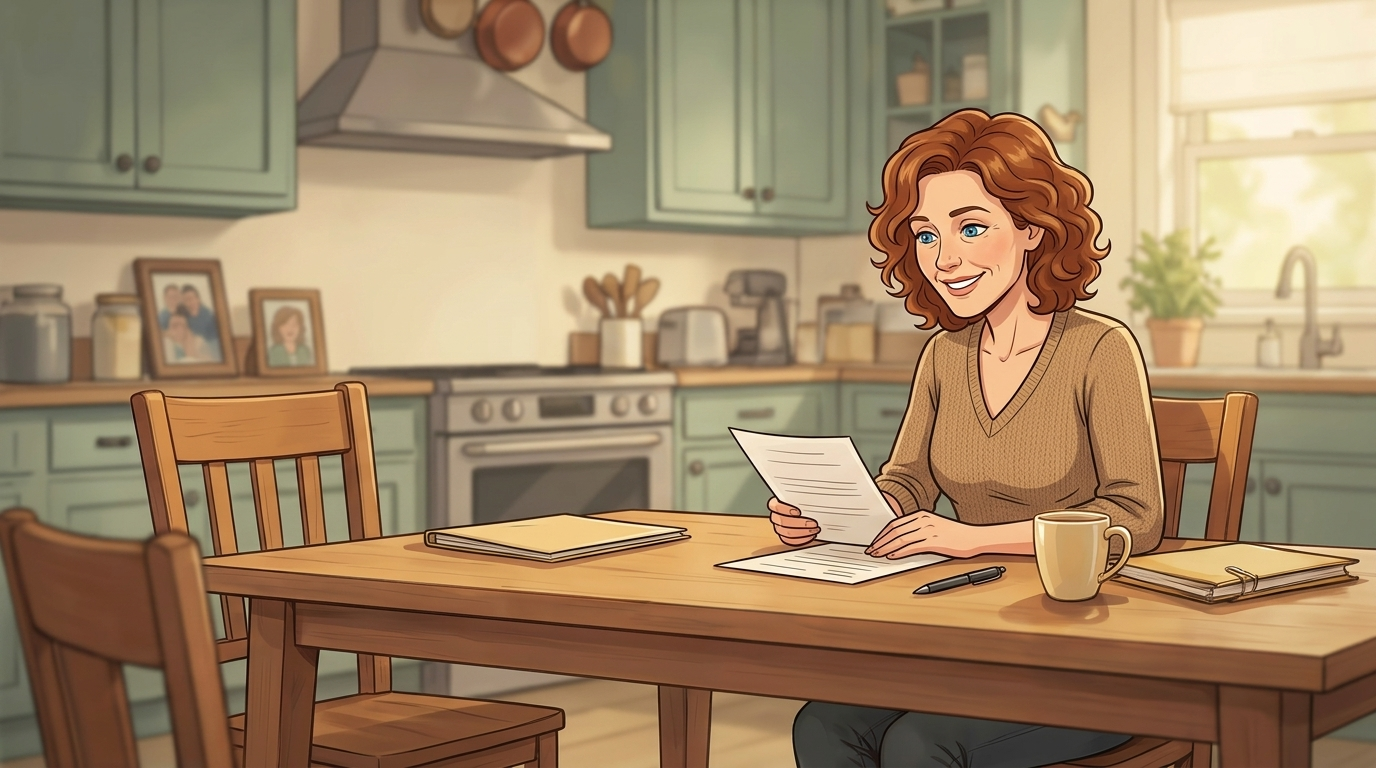
If you spend any time in the world of food business content, you’ll find no shortage of gorgeous flat-lays, fire-kissed crusts, and inspiring stories about following your passion. What you’ll find a lot less of is anyone talking honestly about council registration, food hygiene certificates, and the small but important admin that keeps everything running properly. If you’re looking into home food business registration in the UK, the first thing to know is that it’s far simpler than most people expect.”
Which is a shame. Because those are exactly the things that put people off before they’ve even started.
So let’s talk about them.
Home food business registration – we assumed it would be complicated. It wasn’t..
When we first looked into what it would take to run a food business from home, we assumed the regulatory side would be a wall of forms, inspections, and hoops to jump through. A process designed for commercial operations, not someone with a domestic kitchen and a very good dough recipe.
It wasn’t like that at all. You go to your local council’s website, find the food business registration form under environmental health, fill in your name, address, what you’re making, and roughly when you’re starting, and submit it. There’s no fee and no approval process – registration is notification, not permission. An inspector won’t show up before you can start trading.
That was genuinely the biggest surprise. We’d braced ourselves for red tape and found almost none.
How councils actually view home pizza businesses
Home food production is a recognised category. Councils have frameworks for it. As long as you register, operate hygienically, and keep basic records, you’re operating entirely above board.
We did have an inspection visit at some point in our first year. I won’t pretend we weren’t a little nervous beforehand – you always wonder what they’re going to find to pick apart. The inspector was friendly, thorough, and completely unfazed by anything she found.
We have cats. We keep them out of the kitchen on pizza nights, which we mentioned slightly anxiously. She barely blinked. In fact, she noted that having cats around was likely to keep any potential mouse or rat problem down. Not quite the response we’d anticipated – but it rather set the tone for the whole visit. She was there to help us do things properly, not to catch us out.
We came away with a good hygiene rating and a much calmer attitude toward the whole compliance side of things.
The paperwork that’s actually worth doing
Here’s the thing about admin in a small food business: most of it isn’t burdensome, and the bits that feel like a chore are usually the bits that quietly make everything else easier.
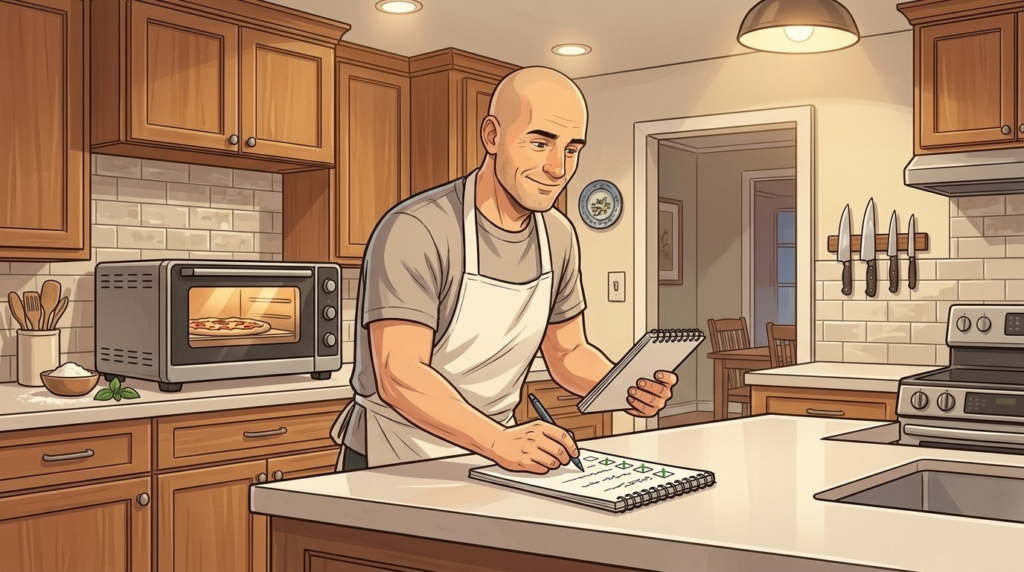
Temperature logs, for example. Keeping a note of fridge and storage temperatures takes about two minutes and means that if anyone ever asks – a council officer, a curious customer, yourself in six months’ time – you have an answer. Same with knowing where your ingredients come from and being clear on allergens. These aren’t things you need a filing system for. They just need to be a habit.
The paperwork that genuinely isn’t worth doing is the stuff people invent for themselves out of anxiety , ie over-engineered systems, spreadsheets for things that don’t need spreadsheets, documentation that goes far beyond what anyone requires. The goal is to be organised enough to trade with confidence, not to make compliance a full-time job
The bit that ties it all together
Here’s what six years of doing this has taught us: the unglamorous stuff – the registration, the food safety basics, the small amount of record-keeping – is actually what gives you confidence.
When you know you’re compliant, you’re not anxious every time someone asks about your setup. When your admin is in order, you can focus on the thing that actually matters: making really good pizza for people who are genuinely delighted to receive it.
None of this is complicated. It just needs doing – and knowing that it needs doing is half the battle.
Not sure if this is the right fit for you?
Take our free pizza quiz here and find out in just a few minutes. It’s designed to give you an honest picture of whether a home pizza business could work for your life. No pressure, no pitch.
