
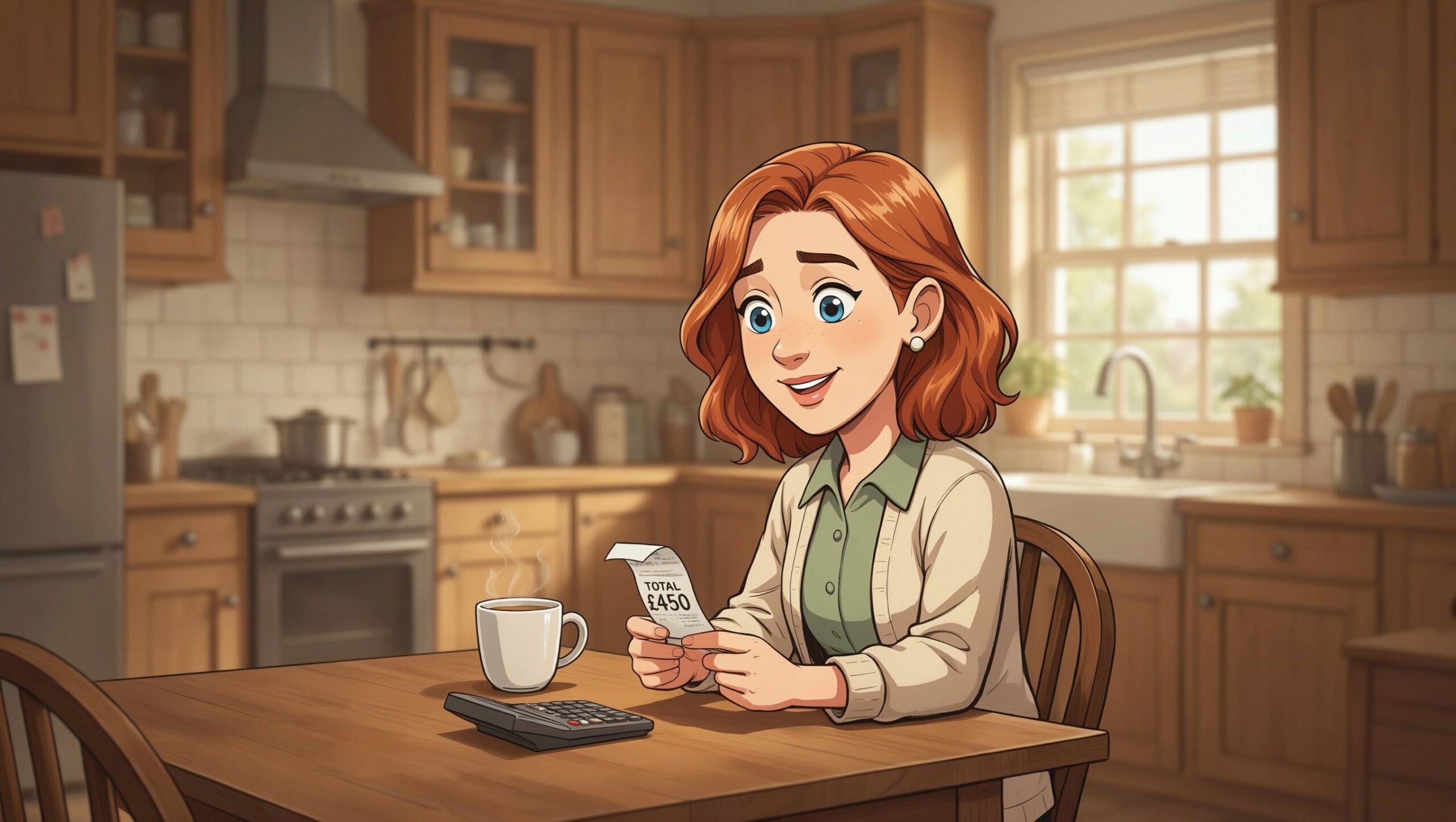
If you’ve ever typed “cost to start a pizza business” into Google, you’ll know the answers can be terrifying. Commercial ovens, premises, fit-outs, equipment lists as long as your arm. It’s enough to put anyone off before they’ve made a single dough ball.
So here’s our number. When we started CasaGees in June 2020, we spent around £450.
Not £45,000. Not £4,500. Four hundred and fifty pounds.
What £450 actually bought us
There was no pizza oven. We used the oven already in our kitchen – the same one we’d been cooking tea in for years. A commercial mixer wasn’t on the list either. Our Kenwood did the job.
What we did buy was simple:
- Two dough trays
- A plastic bucket for mixing dough
- Plastic tubs for holding ingredients
- A pizza warmer
- One pizza warmer bag for deliveries
- Plain pizza boxes, with our logo on stickers we applied by hand
- Ingredients for our first weekend – a short list, because we only had six pizzas on the menu
That’s genuinely it. We already had a pizza peel and a pizza cutter, so those didn’t need buying.
Was it glamorous? No. Did it work? On our first weekend, we sold 26 pizzas and made £256 after card fees. Six years and more than 25,000 pizzas later, we’re still going.
Why a small menu keeps your costs small
One of the biggest reasons our start-up costs stayed low was the menu. We launched with six pizzas.
Six pizzas means a short ingredient list. In turn, a short ingredient list means less money tied up in stock, less waste, less fridge space and less to go wrong on a busy night.
It’s tempting to launch with everything you can make. Resist it. A tight menu is cheaper to stock, quicker to make and easier to get consistently right. You can always add pizzas later, once you know what your customers actually order.
The costs that aren’t kit
Equipment is only part of the picture. There are a few other things worth knowing about.
Council registration. This one costs nothing. You register your food business with your local council, and it’s notification, not permission. You don’t pay a fee and you don’t wait for approval.
Food hygiene certificate. We did the Level 2 course online for £20. In six years, we’ve never had a customer ask about it. It isn’t even on our website. But it’s the foundation of handling food properly, it gives you confidence in what you’re doing, and for £20 there’s no reason not to have it.
Insurance. Ours costs around £25 a month. Our advice is to buy it the week you open, not months before. There’s no point paying for cover while you’re still testing dough at the kitchen table.
Ingredients and packaging. Your first batch is part of your start-up spend. After that, these become running costs that scale with your orders. Sell more pizzas and you buy more flour and more boxes. That’s the kind of cost you want.
Where people overspend
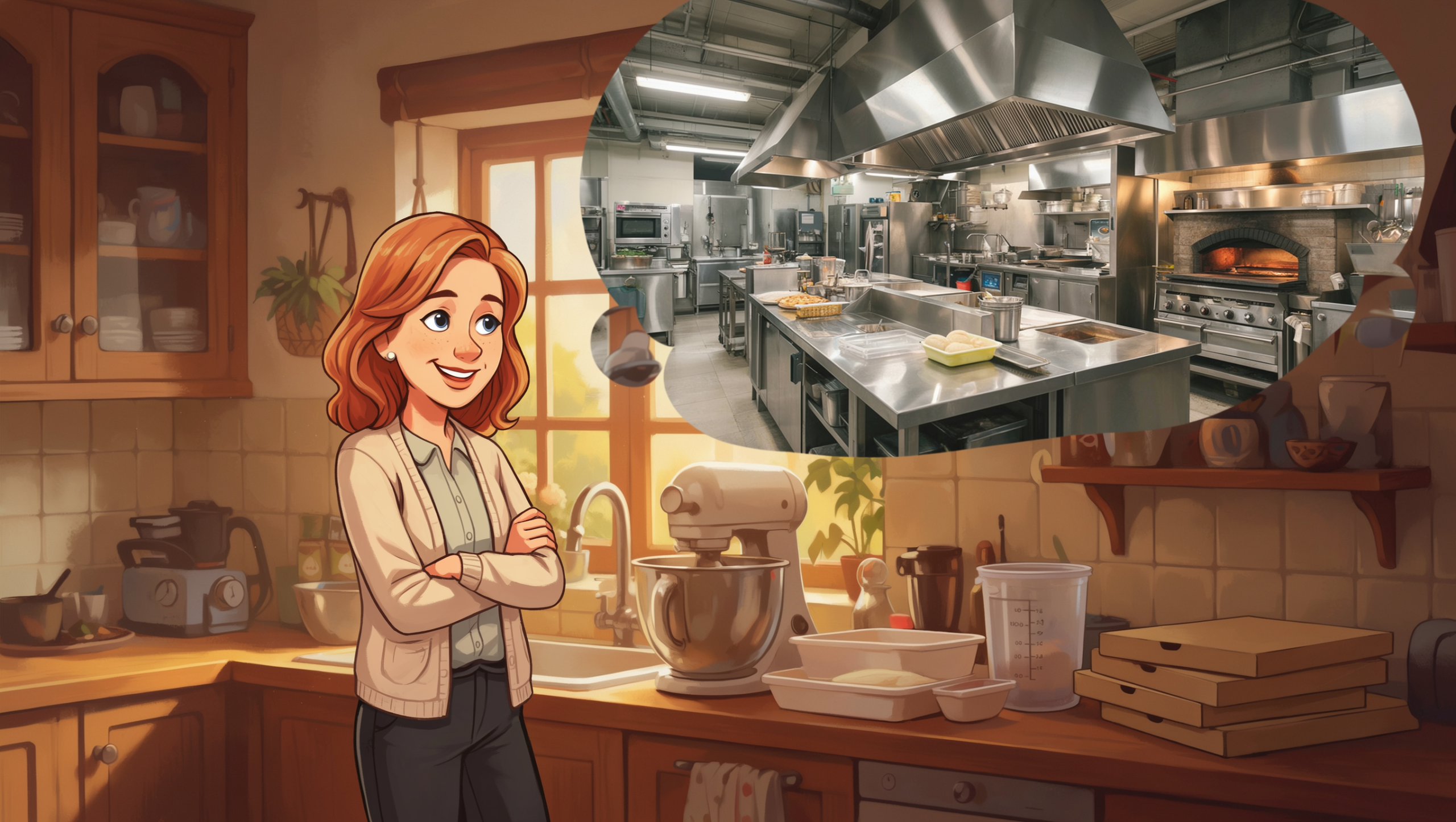
The mistake we see most often is buying for the business you hope to have, rather than the one you’re actually starting.
A shiny commercial oven before you’ve proved anyone will buy your pizza. Hundreds of printed boxes before you’ve settled on a name. A menu of fifteen pizzas, with a fridge full of ingredients to match.
None of that makes your pizza better on night one. It just makes the stakes higher.
Start with what you’ve got. Upgrade when the business tells you to. Our Kenwood kept going for about six months before it gave up the ghost – and by then, batches of dough were taking too long anyway. That’s the right time to buy a commercial mixer: when you need one, and the orders are paying for it.
So what does it really cost?
It depends on what’s already in your kitchen. But if you’ve got a decent domestic oven, a mixer and a bit of fridge space, the honest answer is: probably a lot less than you think.
The money isn’t really the barrier for most people. It’s knowing what to spend it on – and, just as importantly, what not to. Get that right and you can test the idea properly without risking your savings on it.
Thinking about it yourself?
If you’re wondering whether a home pizza business could work for you, take our free pizza quiz here.. It takes a few minutes and gives you an honest picture. No pressure, no pitch.
